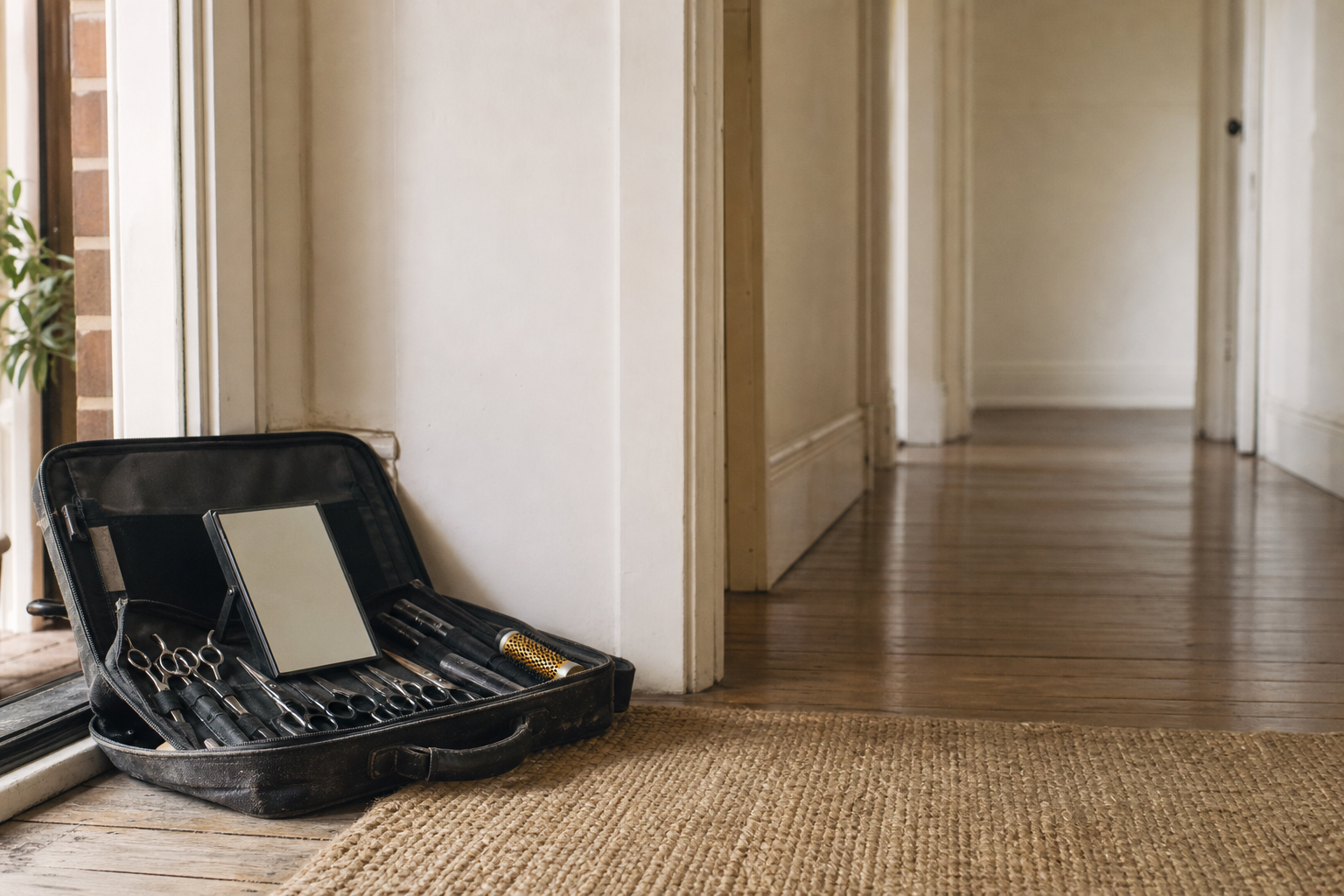
At-Home Hairstylist for Events: Trials, Timing and Logistics
Booking an at-home hairstylist for events means more than picking a date. The trial, the start time and the room itself all shape how the morning actually goes. Here is what ORES clients can expect at each step.
In brief
- 01A hair trial is best scheduled two to four weeks before the event, in the same room and lighting where the final style will happen.
- 02Start time is worked backward from the event's departure time, not the ceremony or party time, with buffer for photos and travel.
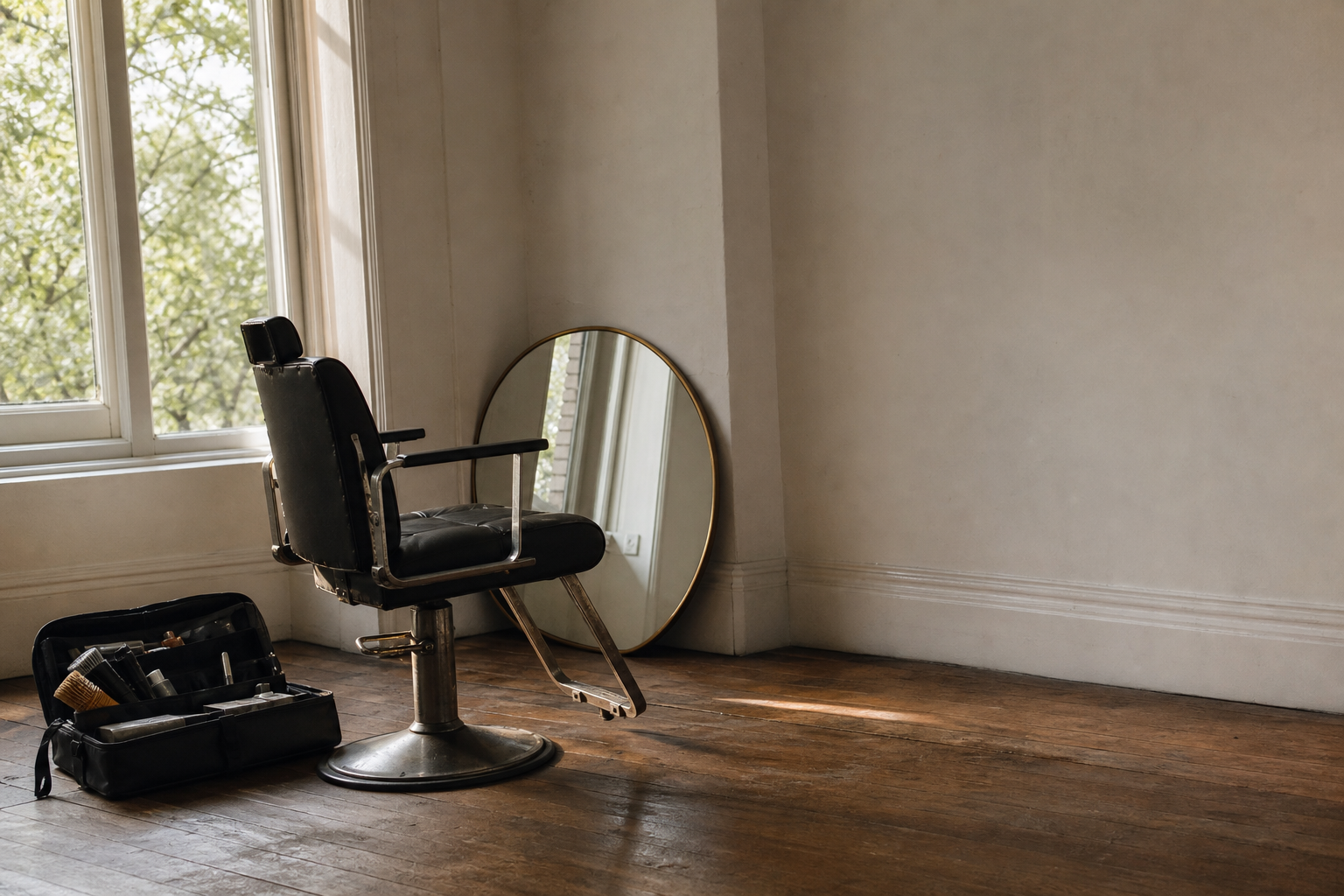
- 03The stylist needs a chair that isn't low or swivel-heavy, a mirror, a power outlet within reach, and strong, even light near a window or vanity.
- 04Mobile hair stylist cost typically reflects styling complexity, trial inclusion, number of people served, and travel distance.
- 05Verified professionals from ORES arrive with their own kit, so the client mainly needs to prepare the room, not the tools.
Key takeaways
- Schedule an at-home hairstylist for events to do your trial two to four weeks before the occasion, in the same room and light where the final style will be created.
- Work out your start time backward from when you leave the house, not from the ceremony or party, and build in buffer for photos and travel.
- Prepare a chair that sits at a sensible height and doesn't swivel freely, a mirror, a power outlet within reach, and strong, even light near a window or vanity.
- Mobile hair stylist cost reflects the complexity of the style, whether a trial is included, how many people are styled and how far the stylist travels.
- Verified professionals booked through ORES arrive with their own kit, so your role is to prepare the room, not the tools.
What an At-Home Hairstylist for Events Actually Does
An at-home hairstylist for events comes to your home on the day and creates a finished style built for a single occasion. You leave ready to step out the door. At ORES, we connect clients with a curated circle of verified stylists who specialize in event hair at home, so the chair, the light and the schedule work around you rather than around a salon's book. The real difference from a salon visit is control. You choose the room, the pace and who is present.
Event Styling vs. Routine Blowouts
A blowout gives clean shape and shine that lasts a few days. Event styling is engineered for a long day in front of a camera: pinned updos, structured waves, braided work, and accessories or veils secured so they hold through movement, embraces and hours of photographs. That level of finish depends on preparation. It needs a decided look, the right prep products and, when the stakes are high, a trial.
Who Books This: Weddings, Galas, Shoots and Private Parties
The service suits anyone whose hair needs to look deliberate for hours:
- Brides and bridal parties who want everyone styled in one place, on one timeline.
- Gala and black-tie guests who would rather not sit in a salon chair hours before getting dressed.
- Editorial, brand or portrait shoots where hair has to read well under lights and on camera.
- Hosts and guests of private parties who value discretion as much as polish.
Why the Trial Matters More for Home Styling
In a salon, the lighting is calibrated, the chair adjusts and every outlet is where the stylist expects it. At home, none of that is guaranteed. Light shifts through the day, chairs vary, and the best mirror may be in the wrong room. An event hair trial at home tests the look and the setting together. You see how the style reads in your own light. The stylist learns the room. Both of you find out how long the work takes.
When to Schedule the Trial
Book the hair trial two to four weeks before the event. That window is close enough that your hair will be in a similar state on the day, and far enough out to adjust the look, swap an accessory or rethink the plan entirely. Plan any cut or color so your hair is near its event-day condition by the trial. If you can, hold the trial at the same time of day as the real appointment, in the same room, so the light you judge it in is the light you will style in.
What to Bring and What to Decide During It
Have these ready before the stylist arrives:
- Two or three reference photos of styles you love, plus one you know you don't want.
- A photo of the outfit, especially the neckline and back.
- Any accessories, pins, combs or a veil you plan to wear.
- A note on your hair's condition. Ask the stylist in advance whether to arrive with freshly washed or second-day hair.
During the trial, settle the decisions that slow down an event morning: hair up or down, where the part sits, how secure the style needs to be, and what you will carry for touch-ups. Photograph the finished look from the front, sides and back, once in daylight and once with flash. Then note how long the session ran. That figure becomes the foundation of your timeline.
Working Backward From Your Event Start Time
Event hair timing goes wrong when people count from the ceremony or the first toast. The moment that matters is when you leave the house. Everything else is subtracted from there.
Counting Back From Departure, Not the Event Itself
- Fix your departure time. Allow for travel and arriving a little early, not on the minute.
- Subtract time to dress and for photos. Getting into a gown or tailored outfit, final makeup checks and any getting-ready photographs all happen after hair.
- Subtract styling time. Use the length of your trial, not a guess.
- Subtract the stylist's setup. Unpacking tools, positioning the chair and checking the light all take time before the first section of hair is touched.
- Add a margin. A small buffer absorbs a late car, a stubborn curl or a last-minute change of mind.
As an example: if you leave at 4:00 pm, need 45 minutes to dress and take photos, and your trial ran 90 minutes, you should be in the chair by 1:45 pm. The stylist arrives before that to set up, and your margin goes on top.
Timing for Multiple People Getting Styled
With a group, multiply the styling time by the number of people and the start time moves much earlier. Schedule the person of honor near the end, but not in the very last slot. That keeps their style fresh while any overrun lands on someone with a simpler look. Anyone with a long or intricate style should go earlier in the order.
| Booking scenario | What to count back from | Buffer to build in | Suggested order |
|---|---|---|---|
| Solo event (gala, dinner, party) | Your departure time | Dressing, travel, small margin | One appointment, start after setup |
| Bridal party, one stylist | Departure for first-look or ceremony photos | Dressing, photos, margin per person | Complex styles first, bride near the end |
| Bridal party, two stylists | Same as above | Shared margin, staggered setup | Split the group, bride with the trial stylist |
| Photo or video shoot | Call time on set | Travel and any on-set touch-ups | Principal talent styled last before departure |
When a single stylist can't fit everyone into a sensible window, adding a second stylist shortens the morning far more than starting at dawn.
Setting Up the Space: Light, Power and Seating
A mobile salon setup needs only a few things from your home. They matter more than most people expect. A good home styling space lets the stylist work comfortably and lets you judge the result accurately.
Choosing the Right Chair and Mirror Spot
Choose a firm, upright chair, such as a dining chair, at a height where the stylist doesn't have to stoop. Avoid low sofas, deep armchairs and stools that swivel freely, because they make precise work harder and slower. Leave clear space behind and around the chair so the stylist can move all the way around your head. Set a mirror in front of you so you can follow the work, and keep a hand mirror nearby for checking the back.
Lighting That Won't Distort the Final Look
Natural light is the most honest. Position the chair facing or beside a window, so light falls evenly on your face and hair. Avoid direct, harsh sun, which bleaches texture and creates hot spots, and avoid a single overhead bulb, which casts shadows and can make a polished style look flat. A vanity with even lighting or a lamp with a neutral-toned bulb is a good backup for early starts or overcast days. Check the spot at the actual appointment time, since a bright room at noon can be dim by late afternoon.
Outlets and Extension Cords for Tools
Hot tools need power close to the chair. Confirm there is an outlet within easy reach, or have a heavy-duty extension cord ready. For a group booking with more than one stylist, avoid running several dryers and irons from a single outlet, and spread the tools across different points where you can. Clear a flat surface for the stylist's kit, ideally one that won't mark from heat, and route cords away from walkways so no one trips.
Mobile Hair Stylist Cost and What Shapes It
Mobile hair stylist cost isn't one fixed figure. It reflects the work, the time and the travel involved. For reference, mobile bridal hair and makeup in the US typically runs $75 to $150 per person for moderately styled looks, and a full wedding-day hair and makeup package averages $300 to $600 per bride. Those are market ranges, not quotes. Your own figure will depend on the factors below.
Styling Complexity and Length of Hair
A sleek, simple style takes less time than an intricate updo, braided crown or style built around a veil. Long or very thick hair needs more sectioning, more product and more time with hot tools. Extensions add work as well. The more time and skill the look demands, the more it will cost.
Group Bookings vs. Single Appointments
A single appointment reflects one person's style plus the stylist's travel and setup. A group booking spreads travel and setup across several people, but adds hours, and may require a second stylist to meet your timeline. Ask whether the trial is included or priced separately, and whether the person of honor's style is priced differently from the rest of the party.
Travel Distance and Timing
The mobile salon cost includes the stylist's journey to you. Most mobile bridal artists add travel fees for jobs beyond a standard 20 to 30 mile radius. Very early starts, holiday dates and requests for the stylist to stay on for touch-ups can also change the total. Before you confirm, ask exactly what is included: trial, travel, setup time and any on-site time after styling.
Day-of Checklist Before the Stylist Arrives
Run through this hair stylist appointment prep the evening before and again in the morning:
- Hair washed (or not) exactly as the stylist advised after your trial.
- Hair fully dry, with no heavy oils or leave-ins unless the stylist suggested them.
- Chair positioned, mirror in place and hand mirror nearby.
- Styling spot checked for light at the appointment time.
- Outlet confirmed and extension cord ready.
- Clear, flat surface for the stylist's kit.
- Accessories, pins and veil laid out together.
- Trial photos saved on your phone for reference.
- A button-front or zip-front top on, so nothing goes over your head afterward.
- Timeline shared with everyone being styled, including their slots.
- Water and a light snack within reach, especially for long group mornings.
- Parking or building access arranged for the stylist.
How to Book a Verified At-Home Hairstylist
When you book an at-home hairstylist, you are inviting someone into your home on one of the most important days you will plan. Trust matters as much as talent. Every professional in the ORES network is verified before they are introduced to clients, so your focus stays on the look, not on checking credentials.
Booking a verified mobile stylist with us follows the planning in this guide:
- Choose your event date and work back to an approximate start time.
- Request a trial two to four weeks ahead, in the room you will use on the day.
- Confirm the number of people being styled and whether you need a second stylist.
- Agree on what is included, from the trial to travel and any touch-up time.
- Prepare the room and leave the tools to the professional.
When you're ready, you can book a professional for hair alone, or pair it with makeup, skincare or massage so every part of the day is handled in one place.
Related: In-home massage therapy · How ORES vets its professionals
Good to know
Questions, answered.
Book as early as you can once the date is set, especially for weddings and dates in busy seasons. Leave enough room to hold a trial two to four weeks before the event. Early booking also gives you more choice of stylist and time slot.
Yes, if the timeline allows it. Multiply the per-person styling time from your trial by the number of people, then add setup and buffer. If that pushes the start time uncomfortably early, booking a second stylist is usually the better answer.
That is exactly what the trial is for. Tell the stylist what isn't working, whether that's volume, shape, placement or how the style suits your outfit, and adjust before the day. If the overall direction feels wrong, a two-to-four-week window leaves time to rethink it.
Verified professionals booked through ORES arrive with their own kit, including tools and products. You provide the room: a firm, upright chair, a mirror, a power outlet and good light. Preparing that space in advance lets the appointment start on time.
It depends on the length and thickness of the hair, the complexity of the style and any accessories involved. The most reliable guide is your own trial, so note how long it ran and use that figure in your timeline. Add a small margin for each person in a group.
Yes. We connect clients with verified professionals across hair, makeup and related services, so you can coordinate both for the same morning. Agree on who goes first with your professionals, and build both into the timeline you work back from departure. Ready to plan your event hair at home? [Book a professional with ORES](https://oresglam.com/) and let a verified stylist bring the chair, the light and the finish to you.
Book with ORES
Verified professionals, at home.
A select circle of verified professionals, who come to you.
Become a member